From OpenClaw to EasyClaw: Turning Agent Infrastructure into a Real Product
What it actually takes to make AI agents useful in real life
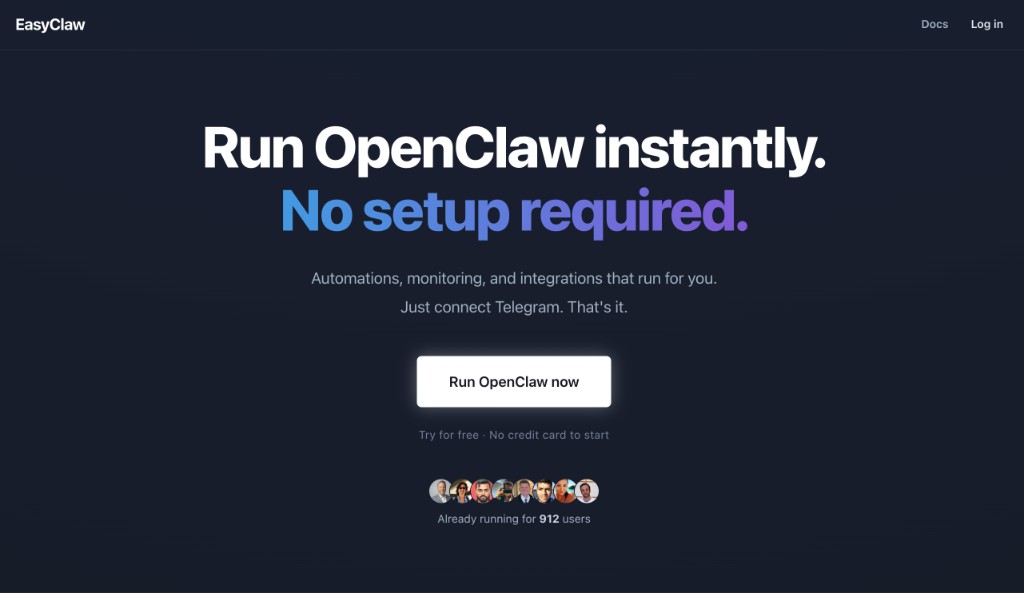
When I started building EasyClaw, I wasn’t starting from scratch. It was built on top of OpenClaw.
OpenClaw already provided something powerful: a real foundation for AI agents, including tool usage, orchestration, and extensibility. And that mattered. Because it allowed me to move fast and focus on building.
But once I started using it seriously, something became clear.
The real challenge wasn’t building agents
The system worked. Agents could respond, use tools, and handle tasks. But the real question wasn’t “Can this work?” It was: Can this become something people actually use every day? That’s a very different problem.
Where things started breaking
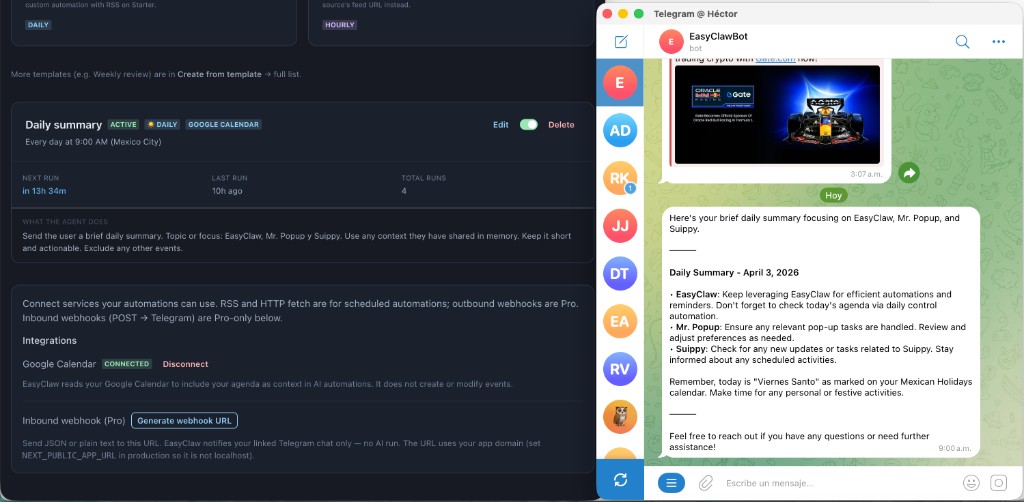
As I pushed it toward real usage, several gaps became obvious:
- Things that worked in demos didn’t hold up in daily workflows
- Token usage could quickly get out of control
- The experience wasn’t always clear for non-technical users
- Flows lacked continuity between interactions
- The system felt powerful, but not always reliable
None of these are unusual. They’re exactly what happens when you take agent infrastructure and try to turn it into a real product.
What EasyClaw had to solve
That’s where EasyClaw started to take shape. Not as a replacement for OpenClaw, but as an evolution built on top of it.
The focus shifted from:
- just running agents
- just adding tools
- just improving responses
To something more practical: making the system usable, stable, and valuable in real workflows.
What has improved
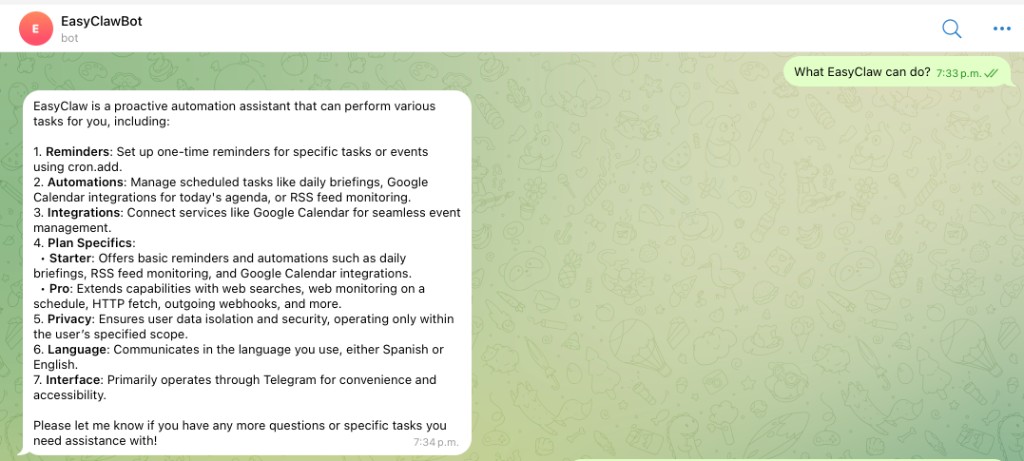
Over the last iterations, EasyClaw has focused on solving real problems:
1. Stability over demos
Making sure the system behaves consistently, not just impressively.
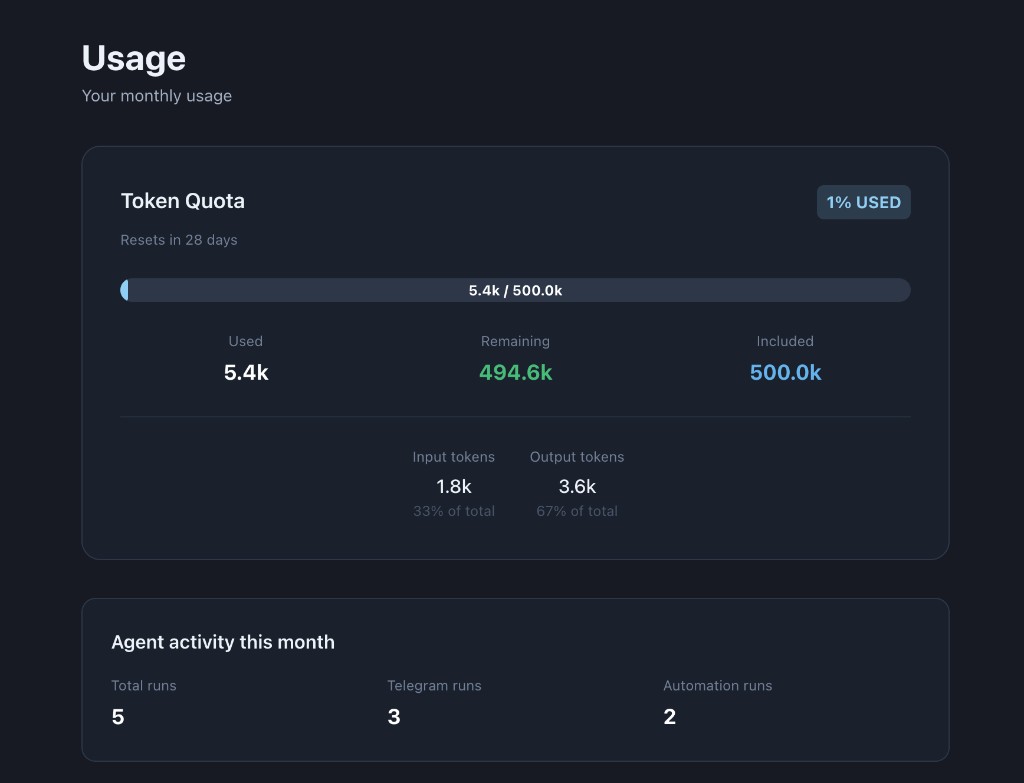
2. Control over token usage
Reducing chaos and making usage predictable and sustainable.
3. Product clarity
Making it easier to understand what to do and how to use it.
4. Real workflows instead of experiments
Focusing on actual use cases instead of isolated capabilities.
5. Moving toward proactive assistance
Not just answering, but beginning to support execution and continuity.
The shift: from infrastructure to product
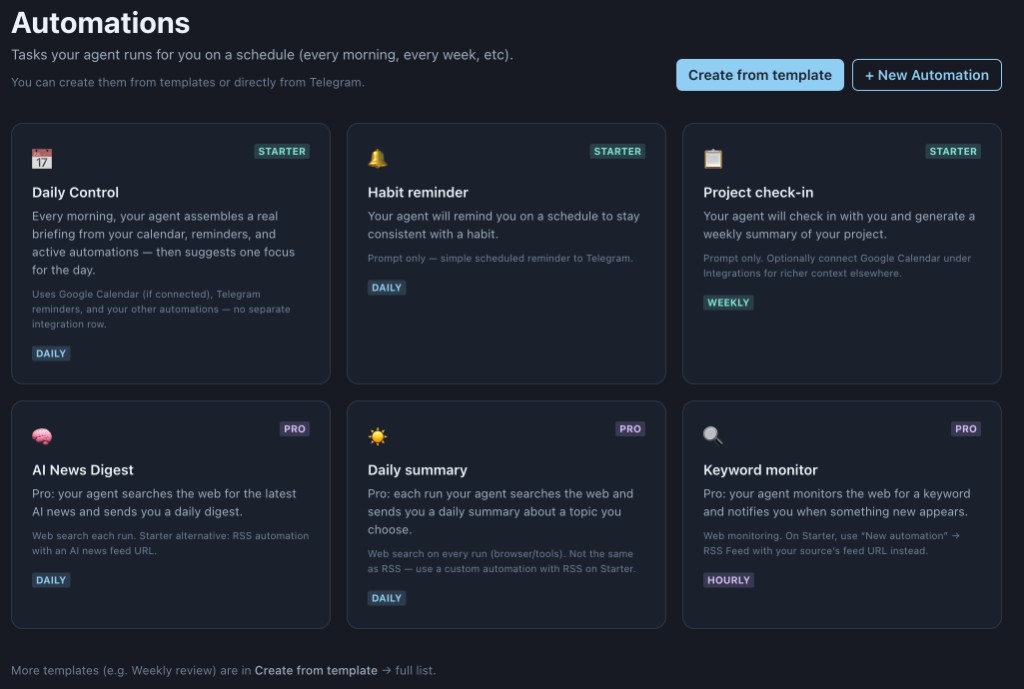
OpenClaw gave the foundation. EasyClaw is the process of turning that foundation into something people can actually rely on. That shift changes everything.
Because building AI systems is not just about:
- intelligence
- models
- tools
It’s about:
- usability
- reliability
- continuity
- real value over time
What I learned
One of the biggest lessons from this process is simple: Agent infrastructure is not the product. It’s the starting point.
The real work begins when you try to make it:
- stable
- understandable
- useful in daily life
That’s where most AI products fail. And that is where EasyClaw is focused.
What EasyClaw is becoming
EasyClaw is evolving into something more than an AI chat or a raw agent system.
The direction is clear:
- a more proactive assistant
- better continuity between interactions
- early automation capabilities
- a system that helps you move things forward
Not just something you open. Something that stays with you.
Still early, but real
This is still early. There’s still a lot to build. But now it feels different.
EasyClaw has passed 1,000 registered users, not vanity traffic but people who signed up to run the product. That scale surfaces bugs, edge cases, and expectations you don’t see in demos. It also validates the bet: there is demand for agent infrastructure once it’s packaged as something stable and usable.
Because it’s no longer just about what the system can do… It’s about what it actually helps you finish.
Try it
If you’re building, working solo, or exploring AI agents, this might resonate.
Still evolving, and now shaped by more than a thousand registered users, real usage and real constraints.
Keep reading
Related Posts
What I Learned Building an AI Agent Startup in 30 Days (EasyClaw)
How I built, launched, and learned from an AI agent startup in 30 days: from 12-hour MVP to real users, expensive mistakes and early traction with EasyClaw.
How to Get Customers from Reddit Without Getting Banned
Reddit is full of people asking for exactly what you sell, but links in comments get you banned. Here's the full loop that turns Reddit into customers: high-intent discovery, replies in your voice, DMs with tracked links, revenue attribution, and weekly Market Insights.
From Developer to Founder: What No One Tells You
The transition from developer to founder isn't a level-up. It's an entirely different game. Here's what building Mr. Popup and Suippy taught me about validation, distribution, and understanding users.